


Which attribution model should B2B use in 2026?
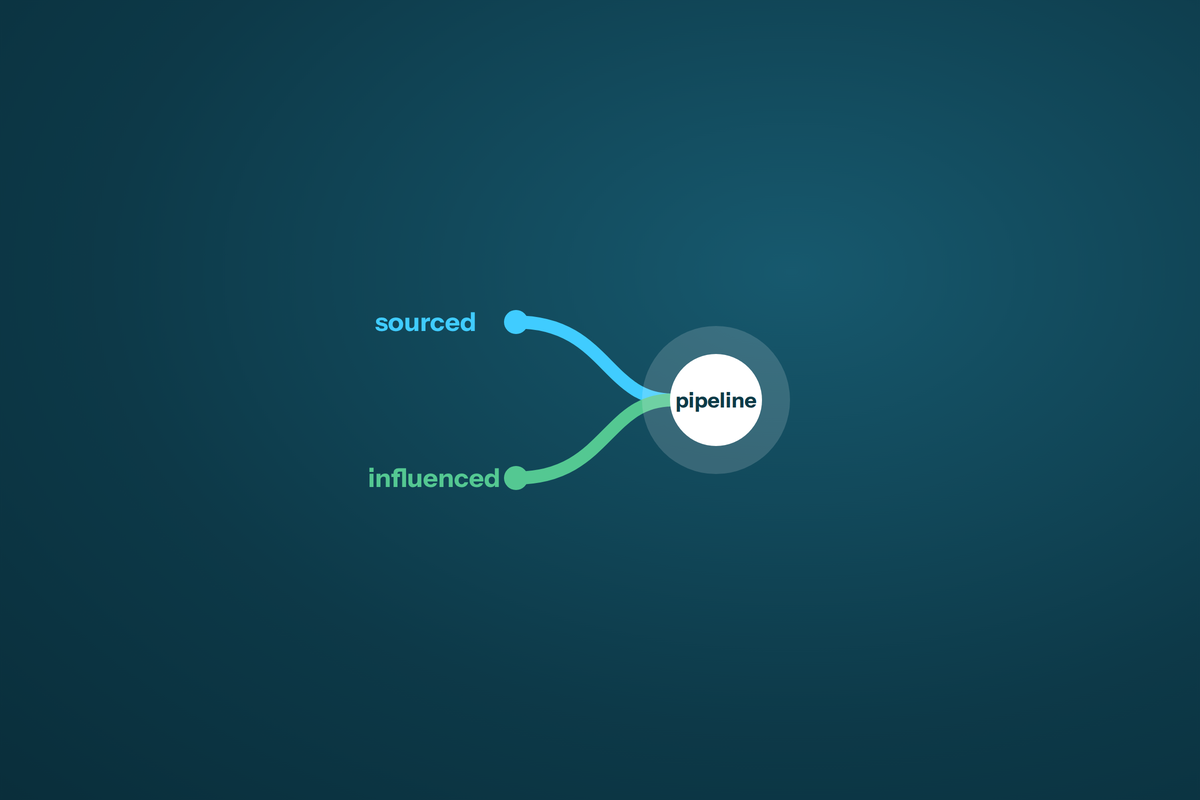
One that counts sourced and influenced pipeline as equally real. Not first-touch, not last-touch, not a tidy single-number model that makes a nice pie chart and lies to you.
Attribution is genuinely hard, and anyone who tells you otherwise is selling something. The core problem is this: it's far too easy to hand a closed deal to sales when marketing spent three months warming that account before sales ever spoke to it. A model that only rewards net-new sourcing bakes that unfairness in, and then you defund the exact activity that made the close possible.
Why isn't sourced attribution enough?
Because the last person to touch a deal is rarely the reason it closed. Here's the pattern I see constantly.
You run boosted thought leadership on LinkedIn. A tracking tool shows you which accounts engaged with it, and you sync that to HubSpot. For three months, people at a target account are quietly seeing your content, clicking, coming back. Then someone from that account fills in a form at an event, a salesperson logs them as a "sales" lead, and the deal gets attributed to sales. On paper, marketing did nothing. In reality, marketing did ninety days of the work.
Marketing warmed them for three months, sales gets the close. That's not attribution, it's amnesia.
Unless that influence is trackable, the budget that funds it looks pointless, and it gets cut. So you have to make it visible.
How do you prove influence?
Segment a group you influenced against a held-out group you didn't, show the difference in conversion, then convert that difference into money. That's the whole method, and it's borrowed straight from how good brand and lifecycle marketers have always worked.
Say the accounts you influenced convert at 21% and a comparable held-out group converts at 17%. That 4% uplift is the influence, and you can price it: 4% of that segment's pipeline value is a figure you can point at. The same logic works for supporting live sales cycles (event invites, webinars, educational sends) and for customer expansion, where an influenced segment might grow faster than one you left alone. The numbers are illustrative, but the method is exactly what you run.
The reason this beats a clever multi-touch model is that it doesn't ask you to trust a chain of cookies and timestamps. It's a comparison, and comparisons survive messy data.
Isn't untrackable brand spend just a leap of faith?
No, and the biggest brands on earth settled this argument decades ago. Brand marketers have said forever that a large chunk of what works can't be cleanly traced, and they spend on it anyway because the held-out evidence is overwhelming.
Coca-Cola is the classic example: the majority of the budget goes to brand awareness that's near-impossible to attribute click by click, and nobody there thinks that spend is wasted. The same is true of the brand ad a B2B buyer half-sees while they're watching something on Disney at home. You'll never draw a straight line from that impression to a deal. That doesn't mean it didn't help. It means you measure it the way brand has always been measured: in aggregate, against a control, not one impression at a time.
Attribution should sit on influence and sourced pipeline, not on pretending everything traces back to a single click.
So what should you actually track?
Both sides, deliberately. On sourced: the leads and pipeline where marketing was demonstrably the origin. On influenced: which accounts saw and engaged with your brand and thought leadership before sales got involved, synced into your CRM so it sits visibly next to the deal. Then the held-out comparisons that let you price the influence.
This is the fair version of the report that usually goes to the CFO as a fight. We wrote the longer take in why the marketing attribution report to your CFO is broken. And none of it works if your CRM data is a mess underneath, which is its own problem: why you can't trust your CRM data. Once both sides are tracked, proving it to a board is the next step, and we cover how to prove marketing's contribution to pipeline separately.
If sales keeps getting the credit for deals your marketing warmed for months, the fix is a model that counts influence. Book a free Growth Audit and we'll map sourced and influenced pipeline so the budget follows the work.
Frequently asked questions
What's the difference between sourced and influenced pipeline?
Sourced is pipeline where marketing was the clear origin of the lead. Influenced is pipeline where marketing measurably warmed or supported an account that came in through another route. Both are real; a model that only counts sourcing under-reports marketing's contribution.
How do you measure influence without perfect tracking?
With a held-out control. Compare conversion or expansion for a segment you influenced against a comparable segment you didn't, and price the uplift. It's a comparison, so it survives the messy attribution data that breaks single-touch models.
Is multi-touch attribution dead?
Not dead, but oversold. Multi-touch still helps you understand a journey, but it leans on a fragile chain of tracking. For proving contribution, a held-out comparison is more robust and far easier to defend to a finance team.
How does brand advertising fit into B2B attribution?
The same way it does for consumer brands: measured in aggregate against a control, not click by click. A lot of brand impact is genuinely untrackable at the individual level, which is a reason to measure it properly, not a reason to stop spending.
